

In today’s fast-paced digital landscape, where attention spans are shrinking, short-form content has emerged as a powerful tool for web designers. This type of content, characterized by its brevity and quick consumption, has had a significant impact on the evolution of web design trends. In this article, we will explore how short-form content has influenced web design, examining its implications on user experience, aesthetics, functionality, and SEO.
Streamlined User Experience
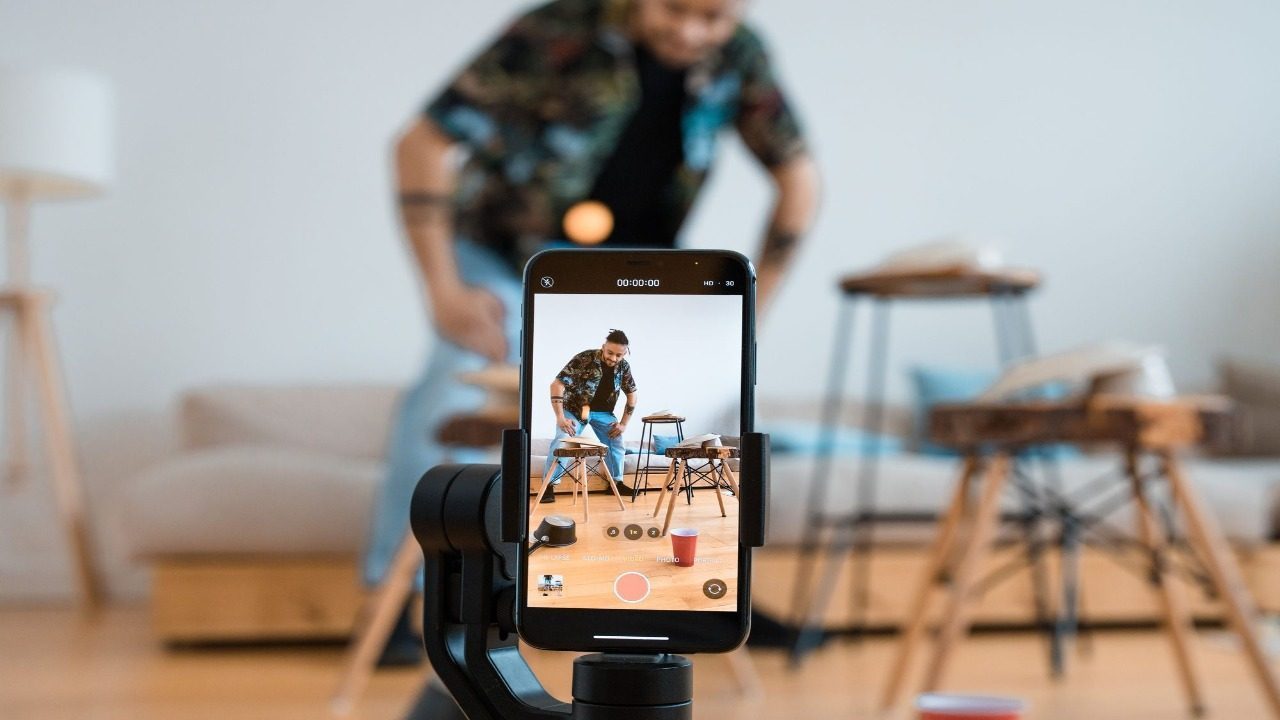
One of the most apparent impacts of short-form content on web design is the emphasis on creating a streamlined user experience. With users increasingly accessing websites on mobile devices, designers have recognized the need to present information concisely and efficiently. Short-form content aligns perfectly with this goal. Minimalist design principles, such as clean layouts, ample white space, and easily scannable content, have become prevalent to accommodate short-form text, images, and videos. Besides, if you’re looking to boost your online presence, you might even want to buy TikTok likes in the USA to enhance your reach.
Microinteractions, subtle animations, and intuitive navigation have also gained prominence, enhancing user engagement and interaction. Designers are optimizing websites for quick loading times, reducing bounce rates, and ensuring that visitors can find what they’re looking for without unnecessary distractions. Short-form content encourages simplicity and ease of use, promoting a positive user experience. Additionally, in the realm of social media, buying TikTok likes fast has become a key for ensuring content popularity and user engagement.
Visually Striking Aesthetics
Short-form content places a premium on visuals. Whether it’s a catchy image, an attention-grabbing video snippet, or a well-designed infographic, visuals have become essential in capturing the audience’s interest. As a result, web design trends have evolved to prioritize visually striking aesthetics.
Bold typography choices, vibrant color schemes, and high-quality images have become standard elements of web design. Minimalist design principles, often associated with short-form content, have led to cleaner and more visually appealing websites. The use of visual storytelling techniques, such as parallax scrolling and immersive multimedia, has also grown to create engaging and memorable user experiences.
Enhanced Functionality and Interactivity
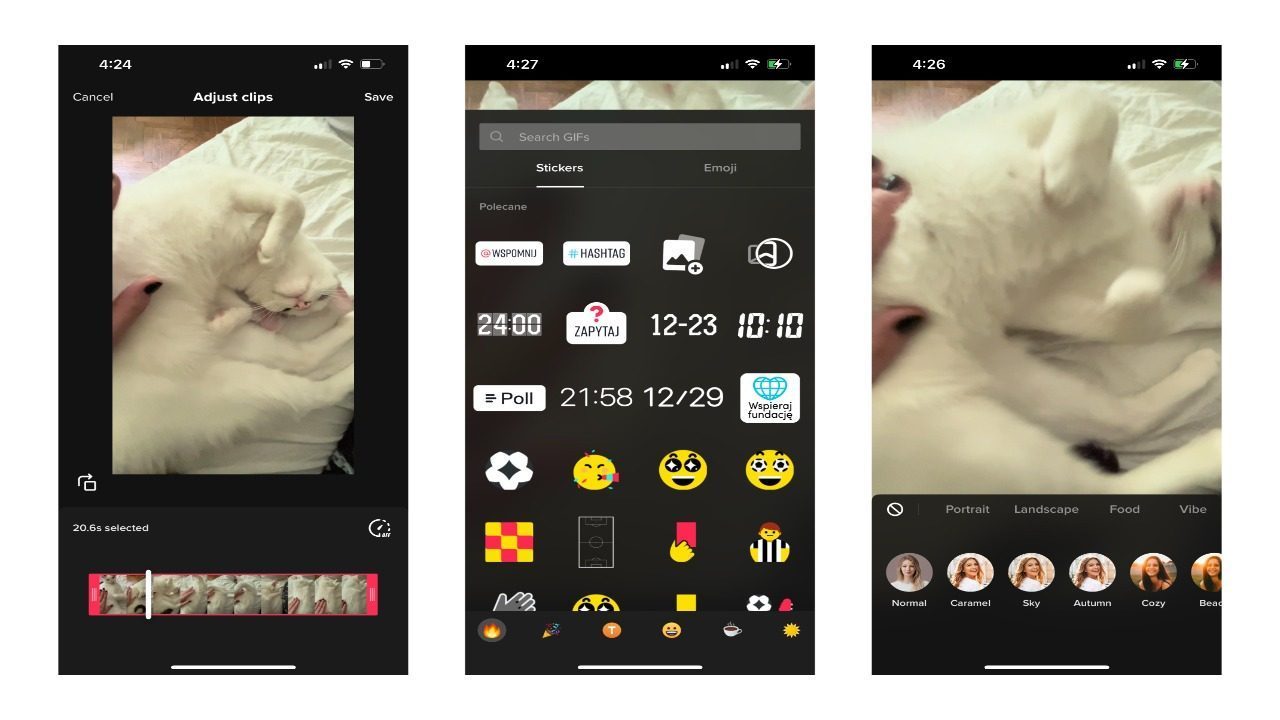
Short-form content has pushed web designers to explore new ways of enhancing website functionality and interactivity. As attention spans continue to dwindle, it’s crucial to captivate users quickly and keep them engaged. This has led to the incorporation of interactive elements like quizzes, polls, and interactive infographics, providing visitors with an active role in their online experience.
Moreover, the rise of short-form video content, often seen on platforms like TikTok and Instagram, has influenced web design through the integration of video backgrounds and autoplay features. These additions create dynamic and immersive experiences that encourage users to stay on a website longer.
SEO-Friendly Practices
Short-form content has also impacted web design from an SEO perspective. Search engines like Google now prioritize mobile-friendly websites, and shorter content can contribute to better page load times, which is a crucial factor in mobile optimization. Web designers are focusing on creating responsive designs that adapt seamlessly to various screen sizes, ensuring that content is easily accessible on smartphones and tablets. Additionally, short-form content encourages concise and relevant messaging, aligning with SEO best practices. Keyword optimization, featured snippets, and structured data are being integrated into designs to improve search engine rankings. As voice search continues to rise in popularity, web designers are adapting by optimizing content for voice queries, which often demand succinct and direct answers.
In conclusion, short-form content has had a profound impact on web design trends. It has led to streamlined user experiences, visually striking aesthetics, enhanced functionality and interactivity, and SEO-friendly practices. As the digital landscape continues to evolve, web designers must stay attuned to these trends to create websites that engage and resonate with today’s fast-paced online audience. Short-form content is not just a passing trend; it’s a fundamental shift that has reshaped the way we design and experience the web.